Tokyo Travel Preparation Guide A to Z for Beginners: Flights, Entry, Accommodation, Transport, Apps Checklist
Tokyo Mate
Planning your first Tokyo trip but not sure where to start?
From flights and entry procedures (Visit Japan Web) to accommodation, subway passes, and essential apps—
this Tokyo Travel Preparation A to Z Checklist covers everything beginners can follow step by step.
Introduction
Feeling overwhelmed about where to begin with your Tokyo trip planning?
This guide consolidates flights, entry (Visit Japan Web), accommodation location, Tokyo transportation, and essential apps into one comprehensive Tokyo Travel Preparation A to Z Checklist.
We’ll also cover core principles for planning 2-night-3-day, 3-night-4-day, and 4-night-5-day itineraries to help you avoid route confusion even without a package tour.
Let’s walk through this step-by-step guide that even complete beginners can follow.
1. Planning Your Schedule & Choosing Areas (The Big Picture)
Tokyo is much larger and more complex than Seoul.
Rather than wandering aimlessly, defining your ’travel theme’ first helps minimize travel time.
Best Times to Visit Tokyo
🌸 Spring (late March–April) / 🍁 Autumn (October–November)
Pleasant weather and cherry blossoms or autumn leaves make this the most reliable season for first-time Tokyo visitors.🎄 Winter (December–January)
Perfect for shopping trips with city illuminations and early January Hatsuuri (first sale).
🌸 Planning a spring 2026 trip? Must-read!
The official Tokyo cherry blossom forecast has been released. Check the dates and weather to plan your schedule.
👉 2026 Tokyo Cherry Blossom Forecast (March 22) | Bloom Dates, Tokyo March Weather & Clothing
Times to Avoid
Golden Week (typically around April 29~May 5)
Extended holidays can quickly drive up flight and accommodation prices with large crowds.Silver Week (mid-to-late September)
Depending on the year, extended holidays can significantly increase accommodation costs.Year-end/New Year (December 31~January 3)
Department stores and restaurants often close, requiring advance business hour checks.Midsummer (July–August)
Very hot and humid (except during fireworks festival periods).
Recommended Areas by Theme
① Shopping & Trends
Ginza · Shibuya · Harajuku · Omotesando · Shinjuku
👉 Ginza Lotte Duty Free Instant Gold Upgrade & Discounts | Cheaper than Airport
👉 Shibuya Parco | Floor Guide, Tax-Free, Brands (Human Made, Comme, Porter)
② Traditional & Scenic Walks
Asakusa · Ueno · Yanaka Ginza (Yanesen)
👉 Ueno Complete Guide | From Ameyoko Market to Ueno Park
👉 Asakusa Attractions Summary | Senso-ji, Demon Slayer, Gyukatsu
③ Otaku & Kidult
Akihabara · Ikebukuro · Nakano
👉 Akihabara Anime Pilgrimage Recommended Route | Figure Shops, Restaurants, Gacha
👉 Tokyo Ikebukuro East (Food/Otaku) vs West (Art) Recommended Routes
④ Relaxation & Romance
Odaiba · Yokohama (suburbs) · Tokyo Disneyland
👉 Tokyo Odaiba Complete Guide (Ariake, Toyosu Connection)
👉 Tokyo Disneyland Complete Guide (Tickets, DPA, Afternoon Pass)
📌 If it’s your first Tokyo trip, 3 nights 4 days is most manageable. When planning routes, divide into two main zones—west (Shinjuku, Shibuya) and east (Asakusa, Ginza)—for foolproof planning.
📌 Once you’ve determined these major routes, choosing an ‘observation deck’ as a daily highlight is important.
Wondering whether to include Shibuya Sky, Tokyo Tower, or Skytree?
👉 Tokyo Observation Deck Recommendations Comparison BEST 5 | Rankings, Free Night Views, Booking Tips
2. Flights & Airport Selection (Narita vs Haneda)
Once your schedule is set, it’s time to book flights.
Tokyo has two airports: Narita Airport (NRT) and Haneda Airport (HND). Choose based on your budget and travel style.
| Narita Airport (NRT) | Haneda Airport (HND) |
|---|---|
| City travel: –1 hour to 1.5 hours | City travel: –30-40 minutes |
| Advantage: More flights, relatively cheaper | Advantage: Best accessibility, Gimpo departures available |
| Recommended: 4+ nights, budget travelers | Recommended: 2-3 nights, short trips |
Flight Booking Tips for Best Prices
When searching flight apps (Skyscanner, Naver Flights), set your destination to Tokyo (TYO). This lets you compare Narita (NRT) and Haneda (HND) flights simultaneously.
- Price difference: Narita flights (mostly LCC) are typically 50,000-100,000 KRW cheaper than Haneda flights (mostly full-service carriers).
- Booking timing: 3-4 months before travel, or mid-week departures (Tuesday/Wednesday) tend to be cheapest.
✈️ Check real-time flight prices on Skyscanner
Getting from Tokyo Airports to the City
👉 Narita Airport Arrival Guide: Narita Express, Skyliner, Limousine Comparison
👉 Haneda Airport Arrival Guide: Suica Purchase, ATM, Getting to City
3. Entry Preparation: Visit Japan Web
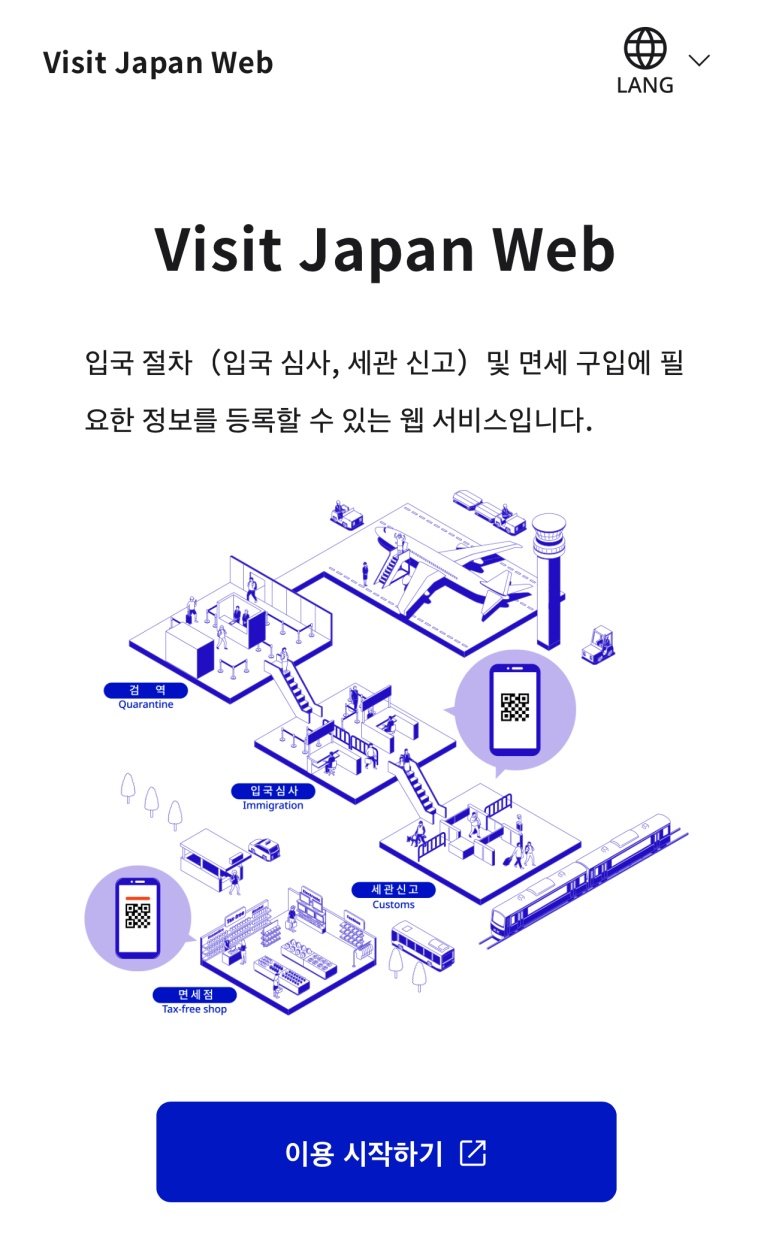
As of 2026, registering for ‘Visit Japan Web’ when entering Japan is not optional but highly recommended. Instead of filling out paper immigration forms on the plane, you can quickly pass through immigration with just a QR code.
✅ Visit Japan Web Checkpoints
- Register passport information and customs declaration all at once
- Family group registration available for family trips
- Pro tip: Airport Wi-Fi can be slow, so screenshot your QR code in advance!
👉 Complete Visit Japan Web Registration in 5 Minutes & Family Registration Tips
4. Accommodation Location Selection (Top 4 for Beginners)
Tokyo hotels prioritize transportation convenience over “staycation” quality. Always book within 5-10 minutes walking distance from a subway station.
📍 Shinjuku (Highly Recommended)
- Features: Transportation hub, easy airport access, shopping/dining all-in-one
- Recommended: First Tokyo visit, family trips, 2-3 night trips
- Airport access: Narita Express (N’EX), Limousine Bus
👉 Tokyo Shinjuku Hotel Recommendations BEST 10 | Budget, Large Baths, Family Travel
👉 Narita Airport to Shinjuku | Narita Express vs Airport Limousine Comparison
📍 Ueno
- Features: Optimal for Narita Airport travel (Skyliner), many budget hotels
- Recommended: Solo travel, budget priority, early morning flights
- Airport access: Skyliner
👉 Skyliner Reservation, Prices, Timetable Summary (Narita Express Comparison)
📍 Ginza
- Features: Clean streets, good security, department store/luxury shopping
- Recommended: Parents’ trips, couples, shopping enthusiasts
- Airport access: 1,500 yen budget express bus
👉 Narita Airport Budget Express Bus Complete Guide (Reservation, Prices, Timetable, Boarding Location)
👉 Ginza Must-Visit Places | Fail-Proof Recommended Route Complete Guide
📍 Shibuya
- Features: Trendiest atmosphere, night views, cafes, shopping
- Recommended: Trend-conscious travelers in their 20s-30s
- Airport access: Narita Express (N’EX)
👉 Narita Express (N’EX) Reservation, Prices, Timetable Complete Guide
👉 Shibuya Attractions | Shibuya Sky Reservations to Shopping and Dining
5. Mastering Tokyo Transportation (IC Cards & Passes)
The key to Tokyo independent travel is using IC cards like Suica and subway unlimited passes appropriately.
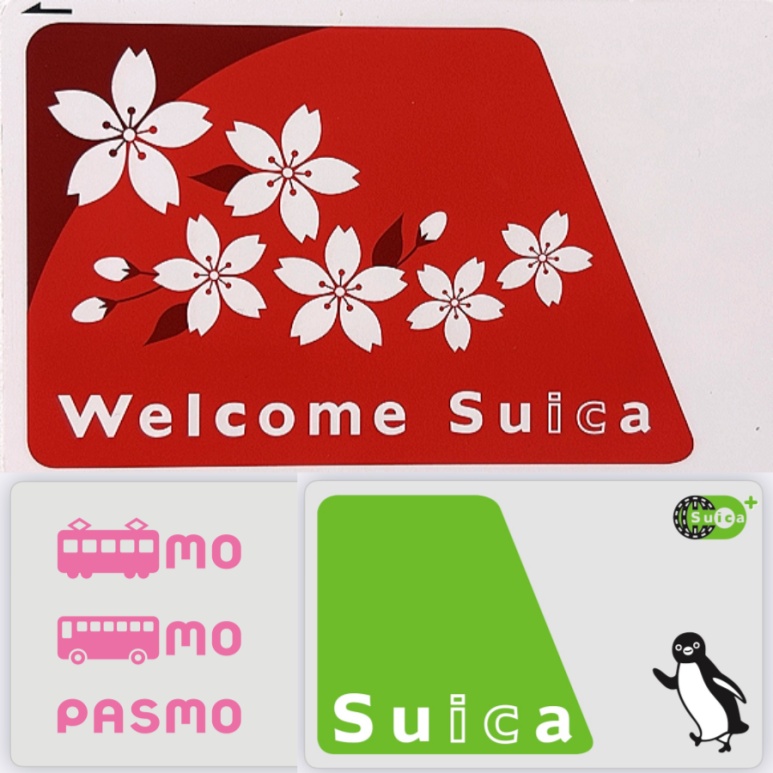
1️⃣ Suica / PASMO 💳
Korea’s T-money equivalent rechargeable transit card.
- Works on JR, subway, buses, and convenience stores!
- iPhone users can pre-issue via ‘Apple Pay’ from Korea.
⭕️ Osaka (ICOCA), Fukuoka (SUGOCA), and other regional cards work as-is in Tokyo!
👉 Tokyo IC Card Issuance Methods | iPhone Suica, Welcome Suica, PASMO
2️⃣ Tokyo Subway Ticket (24/48/72 hours) 🎫
- Foreign visitor-exclusive subway unlimited pass.
- If you take the subway 4+ times per day, it’s definitely worth it!
- Note: Cannot use JR lines (Yamanote Line, etc.).
👉 Tokyo Subway Route Map PDF High-Quality Korean Download | Complete Reading Guide
🤔 Confused About Pass Selection?
The JR-only 1-day unlimited pass is the Tokunai Pass. The best pass varies by accommodation location and schedule. Be sure to check the comparison guide below.
👉 Tokyo Subway Pass vs JR Tokunai Pass | Complete Comparison
👉 3 Travel Routes to Properly Use Tokyo Tokunai Pass (JR 1-Day Pass)
6. Essential Tokyo Travel Apps & Supplies
With just your smartphone, independent travel is completely possible even without Japanese! Install these before departure.
- Google Maps: The god of navigation, restaurant searches, and train timetables. ‘Save’ places you want to visit in advance.
- Papago: Image translation feature instantly shows Korean translations when you photograph menus.
- Data (eSIM / SIM / Wi-Fi): Data is essential for navigation. eSIM is most convenient for solo travelers.
👉 Japan Pocket Wi-Fi vs Tokyo eSIM/SIM Complete Comparison | Price, Speed, Recommendations
7. Tokyo Travel FAQ
Q. How much cash should I exchange?
A. While card payments have increased, many long-established restaurants and vending machines still only accept cash. Prepare about 30% of your daily budget in cash (yen) for peace of mind.
Q. Do I need a 110V adapter?
A. Yes, Japan uses 110V. Be sure to bring an adapter from Daiso.
Q. Are restaurant reservations mandatory?
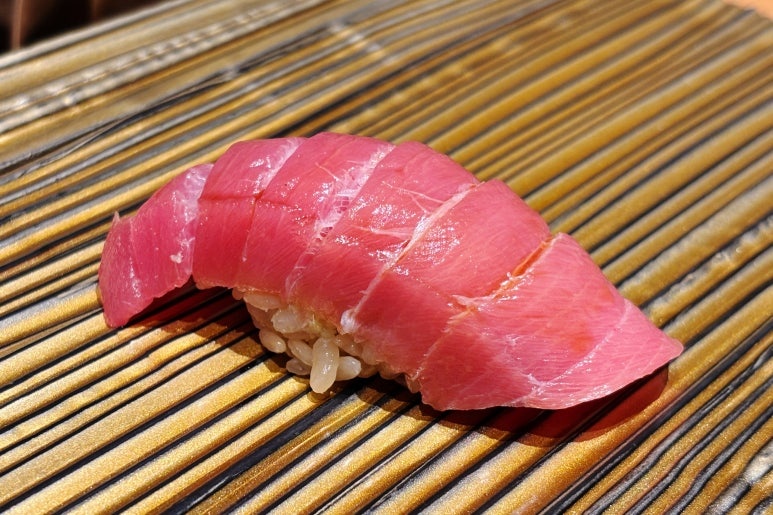
A. Omakase and popular sushi restaurants require reservations! However, many regular restaurants like ramen and gyudon accept walk-ins with queuing.
👉 Tokyo Manten Sushi 8,800 Yen Budget Omakase | Reservation Method, Prices, Menu
👉 Ginza Hachigo Michelin Ramen Restaurant | Reservation & Wait Time Complete Strategy
Conclusion
Flights, accommodation, transportation, and essential apps—if you’ve followed this checklist, you’ve completed 80% of your Tokyo trip preparation.
Now all that’s left is to excitedly search for restaurants and fill your shopping list! For more detailed information, check out my other blog posts.
Wishing your first Tokyo independent travel becomes your best memory! 🙌
🧡 See Fail-Proof 3-Night-4-Day Routes
👉 Tokyo 3-Night-4-Day Itinerary | Complete Conquest of Landmarks & Key Attractions Without Disney
👉 Tokyo 3-Night-4-Day Itinerary | Including Disney & Shibuya Sky
Editor's Note
This article is based on the author's actual experiences and original content from blog.naver.com/tokyomate. It has been translated and adapted to provide authentic travel information about Tokyo for global readers.