Iruka Tokyo Roppongi: Michelin Ramen Guide with Waiting & Ordering Tips
Tokyo Mate
If you asked anyone to name the hottest ramen shop in Roppongi right now, most would pick Iruka Tokyo (入鹿 TOKYO) without hesitation. Awarded the Michelin Bib Gourmand for three consecutive years since 2023, it's undeniably one of the best restaurants in Roppongi.
The payment system and waiting method have recently changed, making it essential to check the latest information before your visit. This guide covers everything — from the completely revamped queue strategy and multilingual kiosk ordering to insider tips on how to eat like a local and the secrets behind the flavor!
📌 This post is part of the "Complete Guide to Roppongi" series. If you're curious about the full itinerary, check out the guide below first!
👉 Complete Guide to Roppongi: Observatories, Museums, Shopping & Dining A to Z
1. Pre-Visit Must-Know: Key Changes (Effective July 19, 2025)
Make sure you know the most important changes before planning your visit.
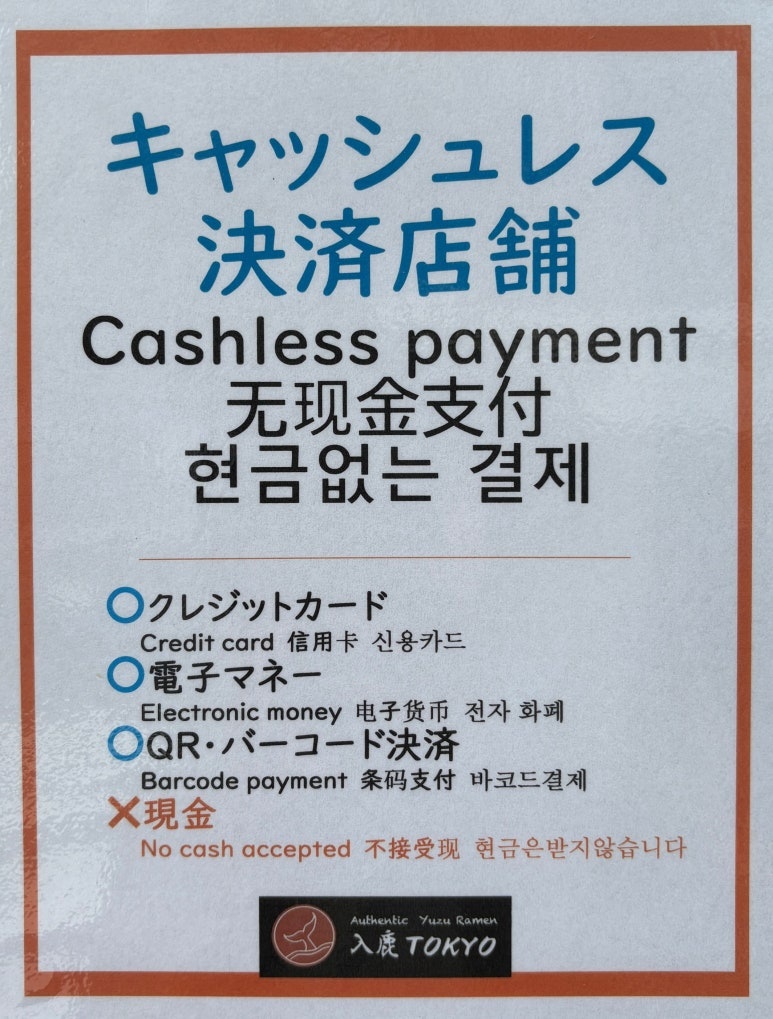
✔️ Payment: Fully Cashless (No Cash Accepted)
Cash is no longer accepted! Only credit cards, electronic money (Suica and other transit cards), and QR code payments are available.
✔️ Waiting System: "Queue First, Order After"
Unlike before, you now line up outside first, and once it's your turn, you enter the restaurant and order at a kiosk.
2. Iruka Tokyo Roppongi: Essential Info
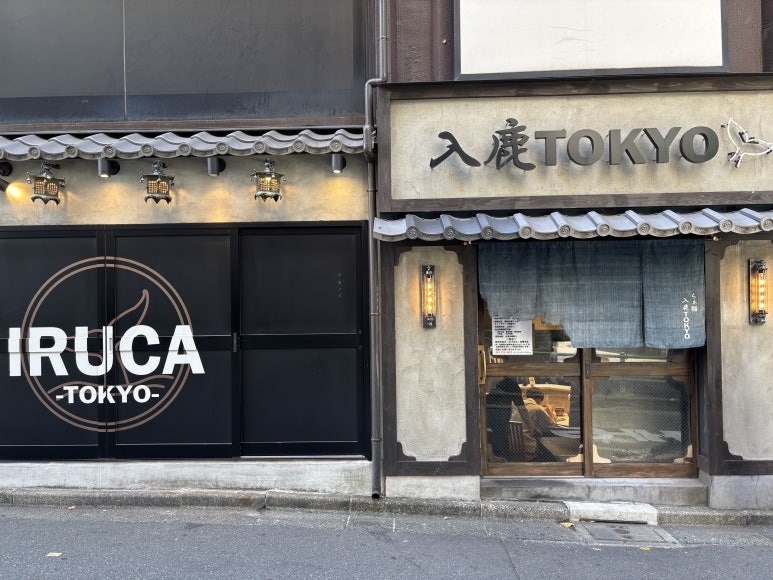
Iruka Tokyo Roppongi has been selected for the Michelin Bib Gourmand for 3 consecutive years and the Tabelog Ramen Hyakumeiten (Top 100) for 3 consecutive years — a ramen shop you simply must try.
✔️ Key Information at a Glance
- Opened: October 10, 2021
- Hours: 11:00 – 20:00 (Last order 19:40) / No break time
- Regular holidays: Mondays and public holidays
- Seating: 13 seats (Counter: 9, Private room: 4)
- Reservations: Not available (walk-in only)
- Access: Oedo Line / Hibiya Line, Roppongi Station Exit 7 (2-minute walk)
3. Updated Waiting System: Complete Queue Guide
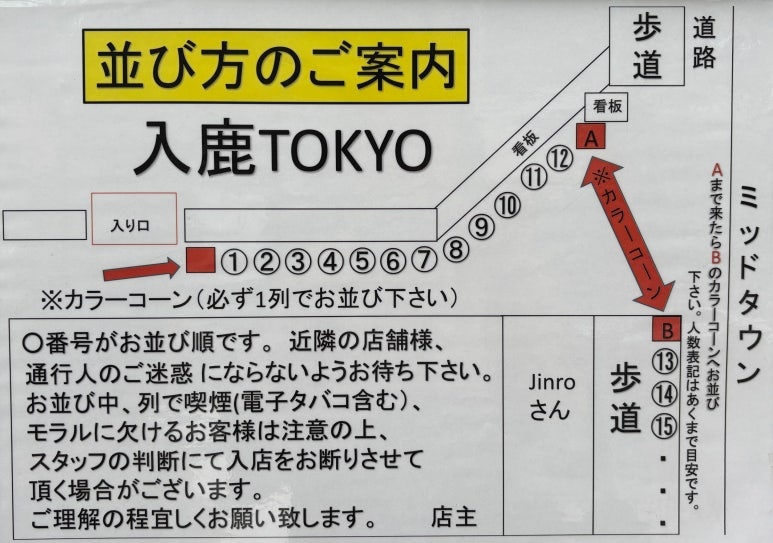
Iruka Tokyo does not accept reservations — walk-in only. Follow the instructions posted outside the restaurant to line up.
- Line up in the direction of the arrows starting from the entrance (from position ①).
- If the line gets long, wait on the sidewalk across the street on the Midtown side (from position ⑬), Zone B.
- When your turn is near, staff will guide you to the entrance.
✔️ Realistic Wait Times
Average wait is about 20–30 minutes. On holidays, expect waits of up to 1 hour or more.
✔️ Tips to Reduce Your Wait
Arrive before opening or visit during the relatively quiet weekday afternoon hours around 3–4 PM. (When we visited on a Thursday at 3 PM, there were only 2 groups ahead and we got in within 15 minutes.)
If the long wait at Iruka seems daunting, Tsurutontan — an excellent udon restaurant with a digital queue system — is also a great option. You can check the real-time wait status while exploring the area!
4. Kiosk Ordering (English Available!)
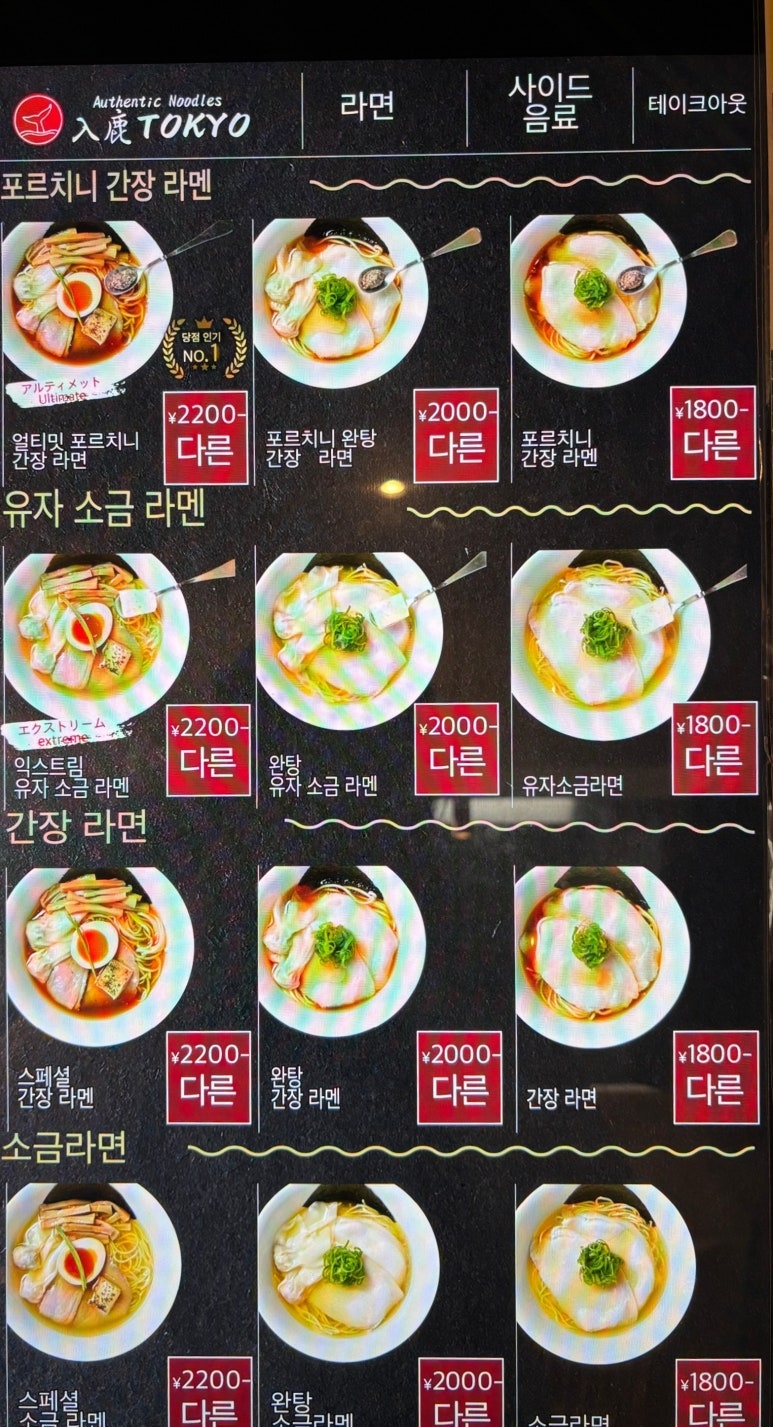
Once it's your turn and you step inside, you'll see a kiosk (ticket machine) near the entrance. It supports 4 languages — including English — so ordering is a breeze!
Select your language on the screen, choose your dish, pay by card, and a meal ticket will print out. Hand the ticket to the chef, and you're all set!
5. Eat Like a Local: How to Enjoy Your Ramen
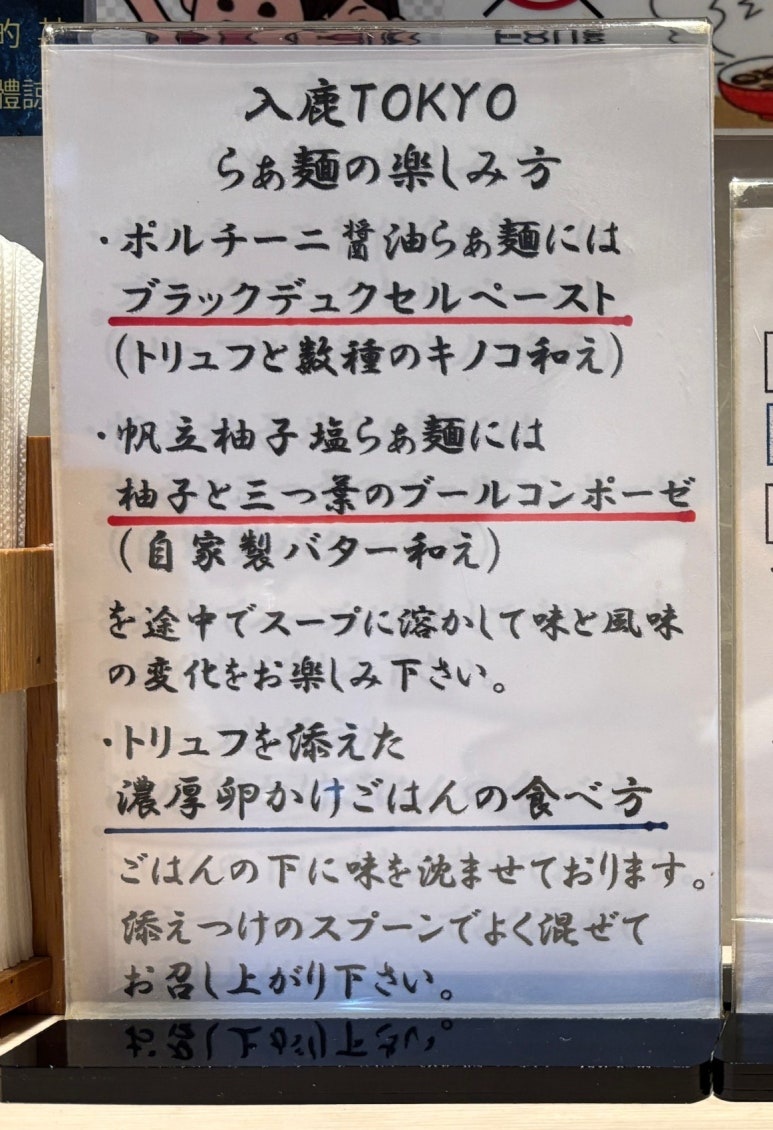
The guide sheet on your table reveals the secret to enjoying your ramen 200%.
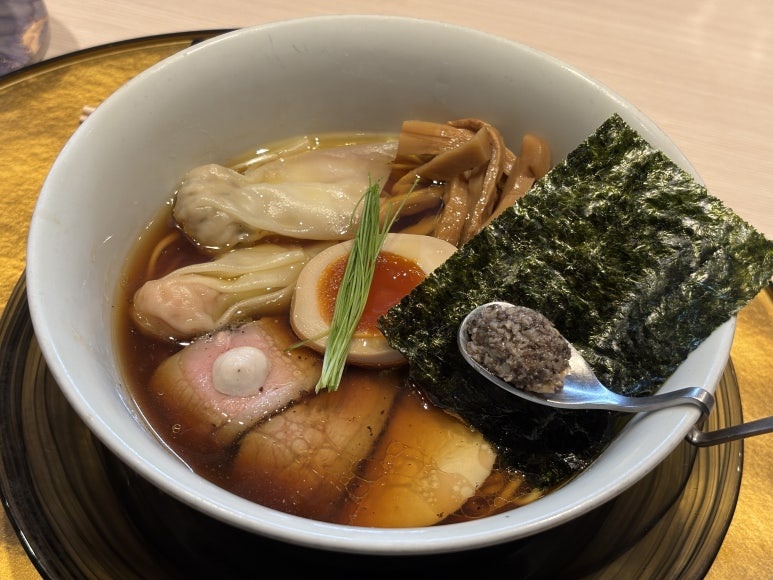
🍜 For the Porcini Soy Sauce Ramen...
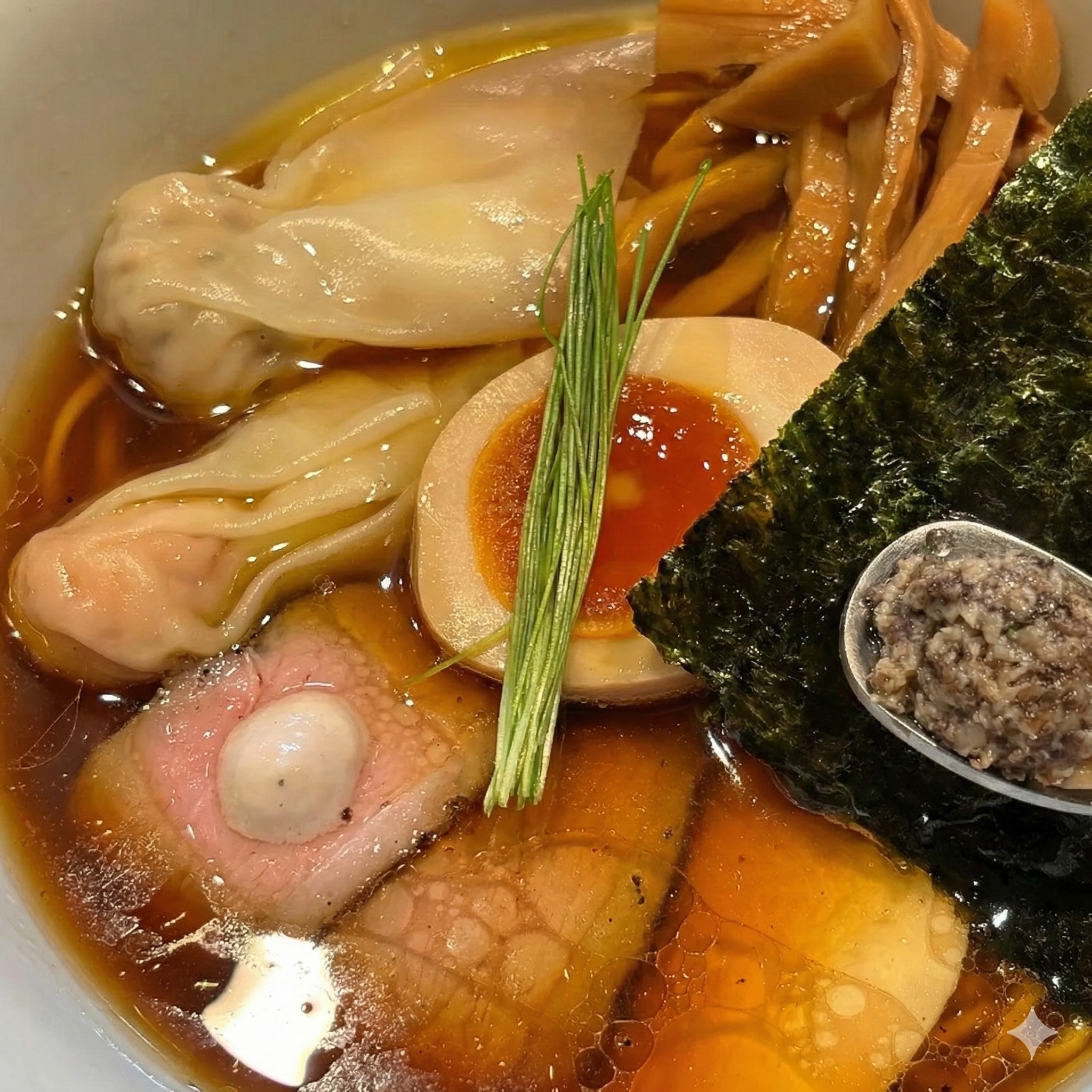
Take the "Black Truffle Duxelles" (a truffle and mushroom paste) sitting on the rim of your bowl and dissolve it into the broth halfway through for a flavor transformation!
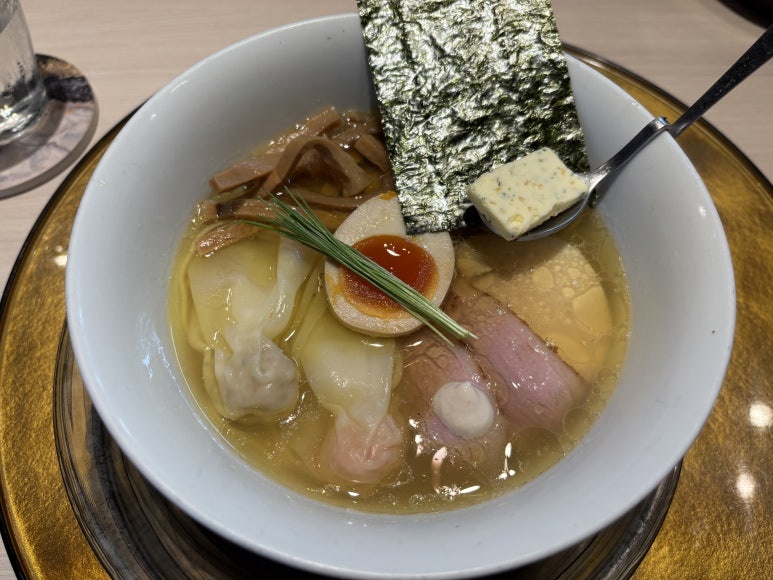
🍋 For the Yuzu Shio Ramen...
Dissolve the "Beurre Composé" (a special butter paste made with yuzu and mitsuba herb) into the broth to add an extra layer of aroma and richness.
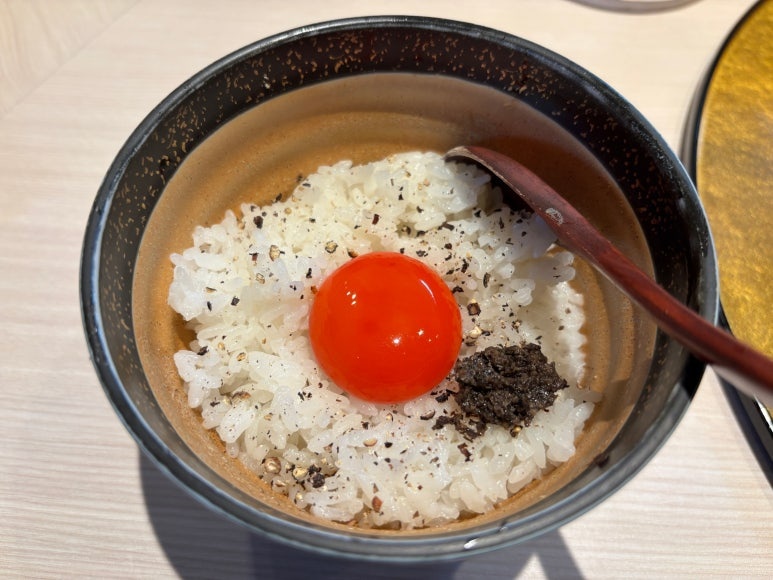
🥚 For the Egg Rice (Tamago Kake Gohan)...
There's already a delicious sauce layered underneath the rice. Pour in some of your remaining ramen broth, mix it all together, and you've got the perfect finish!
6. The Secret Behind the Flavor: Premium Ingredients
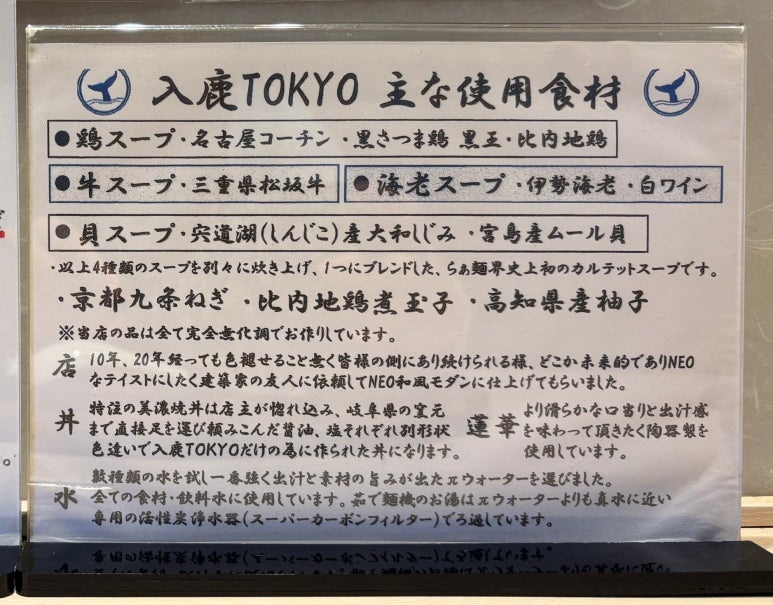
The deep, complex flavor of Iruka ramen comes from the finest ingredients sourced from across Japan.
- Chicken broth: Nagoya Cochin, Black Satsuma, and other heritage breeds (3 types)
- Beef broth: Matsusaka beef from Mie Prefecture
- Shrimp broth: Ise shrimp and white wine
- Clam broth: Shijimi clams, asari clams, and Miyajima mussels
- Other: Kyoto Kujo green onions, Hinai heritage chicken eggs, Kochi yuzu, and more
- Water: Purified with a dedicated "Super Bone Filter" system
7. Reference: Iruka Tokyo Higashikurume Main Branch
If you're a true ramen enthusiast, you might be curious about the main branch's history.
Iruka Tokyo started in 2019 in Higashikurume. The main branch currently operates on an irregular schedule, so for travelers, we highly recommend the conveniently located and comfortable Roppongi branch.
- Tabelog Ramen Top 100: Selected in 2021, 2022, 2023, 2024
- Open only on Mondays
- Hours: 11:00 – 15:00 (Last order 14:30)
- Queue list starts at 10:00 AM — in-person wait required
- 📍 View Higashikurume Main Branch on Google Maps
Wrapping Up: A New World of Ramen in Roppongi
Now you're fully prepared to enjoy Iruka Tokyo like a pro.
Just remember these 3 things!
- No cash — bring your credit card!
- Queue first, then enter to order at the kiosk!
- Dissolve the special paste into your broth mid-meal for a flavor transformation!
We hope this guide helps you enjoy the best ramen Roppongi has to offer.
🧡 Curious about more things to do in Roppongi?
👉 Complete Guide to Roppongi: Observatories, Festivals, Museums & Dining A to Z
🍜 Tokyo Michelin Ramen Challenge! (Roppongi vs Ginza)
If you enjoyed Iruka Tokyo's clean and deep chintan (clear broth) flavor, how about trying Ginza Kagari next — the pinnacle of rich and creamy paitan (white broth) taste?
Both are Michelin Bib Gourmand restaurants, but with completely different styles — comparing the two is one of the great pleasures of traveling in Tokyo. Check out our guide with the latest prices and waiting tips!
👉 Ginza Kagari: The Rich Flavor of Tori Paitan (Chicken White Broth) Ramen
Editor's Note
This article is based on the author's actual experiences and original content from blog.naver.com/tokyomate. It has been translated and adapted to provide authentic travel information about Tokyo for global readers.